Dr Melandri Vlok
  • Home
  • About
  • Bioarchaeology in Australia
  • Services
  • Media
  • Contact

Revealed: Prehistoric Humans in Gua Harimau Indicated to Have Suffered from Thalassemia and Malaria

1/20/2026

0 Comments

 
Picture
https://www.brin.go.id/en/news/125000/revealed-prehistoric-humans-in-gua-harimau-indicated-to-have-suffered-from-thalassemia-and-malaria 

Jakarta – BRIN Public Relations. 

Surprising results emerged from the analysis of prehistoric human skeletal remains from the Gua Harimau site, South Sumatra. From these remains, indications of diseases previously unidentified were found, namely malaria and thalassemia. Founder and Head of the Center for Prehistory and Austronesian Studies (CPAS), Truman Simanjuntak, stated that a tripartite collaboration between National Research and Innovation Agency (BRIN), CPAS, and Bioarchaeology Researcher from the University of Notre Dame Australia, Melandri Vlok, had analyzed the human remains from Gua Harimau.


“This discovery complements disease records previously limited to tuberculosis, caries, and bruxism. This collaboration is very prospective going forward as it opens various perspectives on prehistoric human pathologies in Indonesia within the Southeast Asian context,” he said at the 42nd Talkshow & Lecture Series “Antiquity of Thalassemia & Malaria in Mainland & Island Southeast Asia” organized by the BRIN Archaeometry Research Center in collaboration with CPAS, Tuesday (30/09).

Thalassemia itself is an inherited genetic blood disorder that prevents the body from producing enough hemoglobin, an essential protein in red blood cells that carries oxygen. This condition causes anemia in those affected. Through a bioarchaeological approach, researchers seek to uncover the history of diseases in past populations through traces recorded in bones, teeth, and biomolecular elements.

Furthermore, Truman emphasized the archaeological significance of Gua Harimau as an unending source of research due to its rich findings. “This site records a long chronology of habitation from the Upper Paleolithic, Pre-Neolithic, Neolithic, up to the Paleometallic period. It also contains more than 80 human burials in addition to loose skeletal remains,” he explained.

“This site also documents the first rock art found on Sumatra Island, as well as the oldest prehistoric metal artifacts in Indonesia, dated around the 4th century BCE and continuing until the 1st century CE,” he added.
Exposed to Malaria Due to Hunting Systems and Settlement

Supporting this, Melandri Vlok presented the scientific context and findings. She explained that thalassemia is a genetic disorder of the alpha/beta hemoglobin chains. “This can cause severe anemia, leading bones to adapt with marrow expansion or hyperplasia, resulting in thickened but porous bones, and distinctive changes in facial and jaw bones,” she said.

She revealed that bioarchaeologists cannot directly detect malaria, but if many skeletons show signs of thalassemia, they can conclude that malaria must have been present in that environment. “In malaria-endemic areas, the thalassemia gene survives in the population. Carriers of the trait have red blood cells that break down more quickly, making it harder for malaria parasites to reproduce,” she explained.

“As a result, individuals with one thalassemia gene have better survival chances against malaria compared to those without the gene. But if a person inherits two thalassemia genes, it leads to severe thalassemia,” he said.
He referred to evidence of thalassemia he and his team had documented at various mainland Southeast Asian sites with indications of malaria endemicity dating back at least 7,000 years. From there, the team moved to island Southeast Asia, with Gua Harimau as the focus due to its tropical belt location and historically malaria-prone environment.

Vlok stated that initial analysis of around 25 human skeletons from Gua Harimau indicated about four cases of thalassemia. “By the second to third day, we began seeing clear evidence of thalassemia even before X-rays, including in a Neolithic individual dated to at least 2,700 years ago,” she explained.

A particularly rare and exciting finding came from the Metal Age period—a 17–18-year-old female whose bones were extremely fragile, requiring careful cleaning in the lab. “In this skeleton, X-rays revealed distinctive thickening and porosity, as well as large rib lesions diagnostic of thalassemia,” she added.

“During cleaning, the team discovered a fetus of around 38 weeks in a pre-birth position, also showing strong signs of thalassemia in the ribs and long bones. For the first time, we have direct evidence of mother-to-child inheritance of thalassemia in the archaeological record,” she revealed.

She also outlined an ecological framework suggesting malaria in Southeast Asia is more linked to forest habitats of the Anopheles mosquito rather than rice field irrigation. According to him, activities such as hunting and forest settlements were more relevant to explaining malaria exposure, including at Gua Harimau. “The Baturaja area has only recently become malaria-free, so archaeological narratives can be used for health education to maintain and expand malaria elimination,” she concluded.

Regarding future methodologies, he outlined plans for Gua Harimau Part Two, which include expanded X-ray studies to examine internal structural compromises, mortality and stunting studies, GIS-based spatial epidemiology modeling, as well as metabolomic and proteomic approaches to detect bodily responses to infection or parasite traces in bone material.

Need for Further Research and Dissemination
Head of Research Center for Archaeometry BRIN, Sofwan Noerwidi, assessed that paleopathology studies—particularly on thalassemia and malaria—are still rare in Indonesia and Southeast Asia but highly promising. He appreciated the contribution of the CPAS team and researchers who realized this collaboration, while encouraging continued dissemination of research results.

He also noted that BRIN already has a cryogenomic laboratory for structural biology studies as well as DNA research facilities. “In the future, with slight adjustments in procedures, this lab can be expanded not only for modern DNA studies but also to reach ancient DNA,” he said.

Furthermore, he emphasized the importance of integrating paleopathology findings with the higher education ecosystem in Indonesia. For him, this opens the possibility of introducing a Degree by Research scheme specifically targeting prehistoric thalassemia and malaria.
​

According to him, such a scheme would allow postgraduate students not only to write theses but also to actively engage in international collaborative research projects. “With partnerships among institutions—BRIN, domestic and international universities, and partner research centers—we can produce a new generation of researchers who are not only strong in theory but also trained directly with world-class research methods,” he added.

For him, this step is not only important academically but also relevant to public health issues in tropical regions. “Paleopathological studies of thalassemia–malaria can provide historical insights into how these diseases spread, persisted, and adapted alongside human populations. The results will be highly beneficial, not only for pure science but also as a foundation for public health policy in Southeast Asia,” he concluded.
0 Comments

Dr Melandri Vlok and Assoc Prof Aditya Vyas talk climate health and what we can learn from the past on 'the meaning of health' podcast

1/3/2025

0 Comments

 
Meaning of Health Podcast · Episode 115 - Learning From the Past to Tackle Climate Change and Improve Public Health with A/Prof Aditya Vyas and Dr Melandri Vlok
0 Comments

DR Melandri Vlok Talks to NAT GEO EXPLORER Dr ALBERT LIN

4/17/2024

0 Comments

 
0 Comments

Dr Melandri Vlok discusses how ancient malaria can teach us about future climate change on the Nice genes podcast. Season 2 episode 5: germ spotting

7/18/2023

0 Comments

 
Update!! Season 2 has won the Best "Science and Technology Podcast" and Audience Honor at the 15th Shorty Awards.

0 Comments

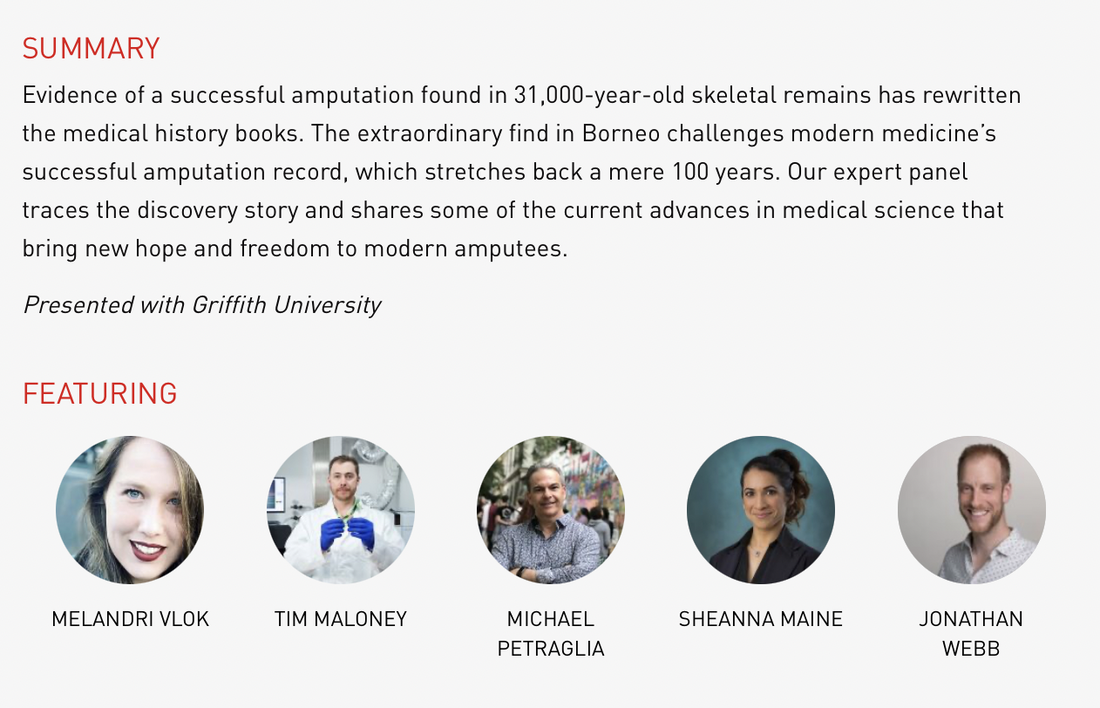
Our amputation paper covered by hank green in the scishow

7/18/2023

0 Comments

 
0 Comments

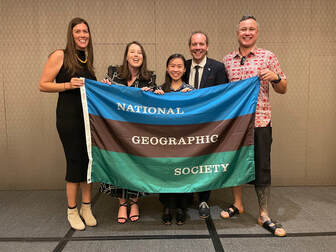
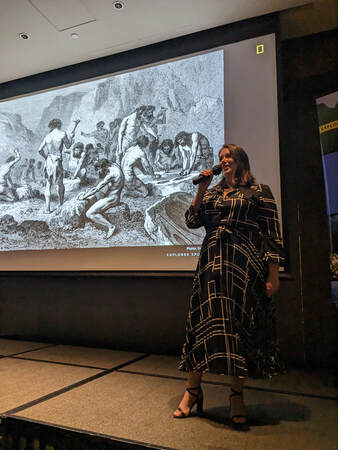
National Geographic AsiA ExploreR Spotlight 28/05/2023

5/28/2023

0 Comments

 
Picture
Picture
0 Comments

ABC Radio SATURDAY Afternoon with Tegan taylor (25/03/2023)

3/26/2023

0 Comments

 
Picture
ABC Radio interview with Tegan Taylor on the amputation case from Borneo and the job of a
bioarchaeologist. (Interview from 1:40.00)
https://www.abc.net.au/radio/programs/saturdayafternoons/saturday-afternoon/102116116?utm_campaign=abc_radio&utm_content=link&utm_medium=content_shared&utm_source=abc_radio
0 Comments

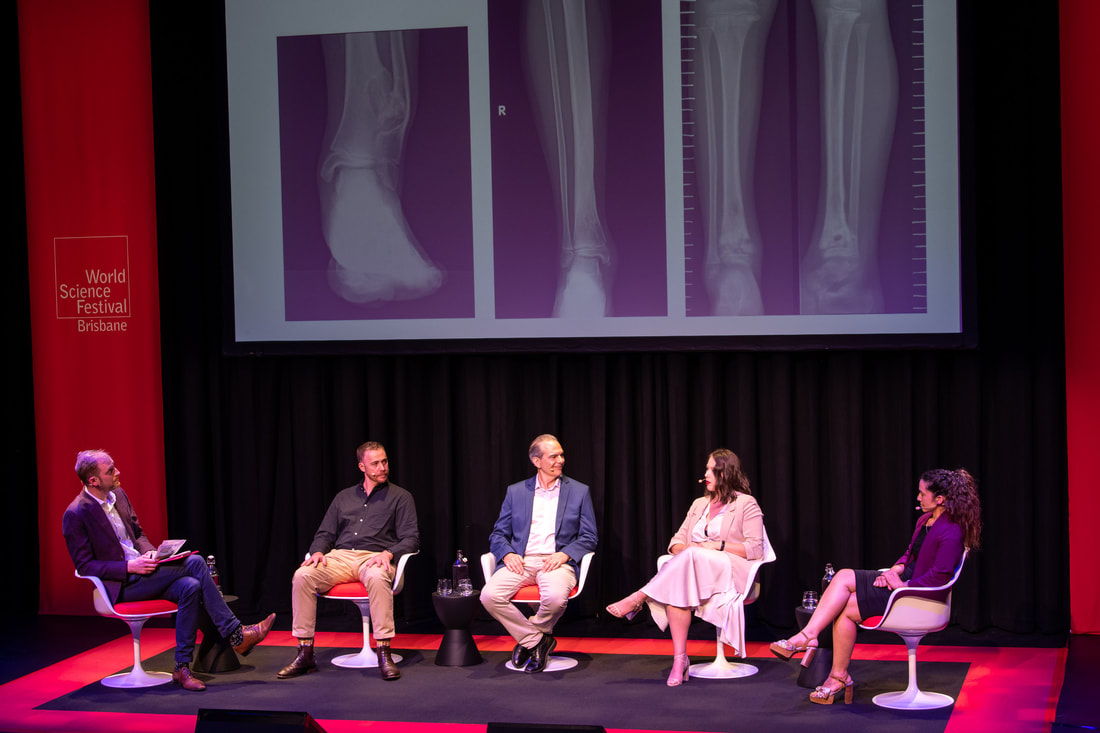
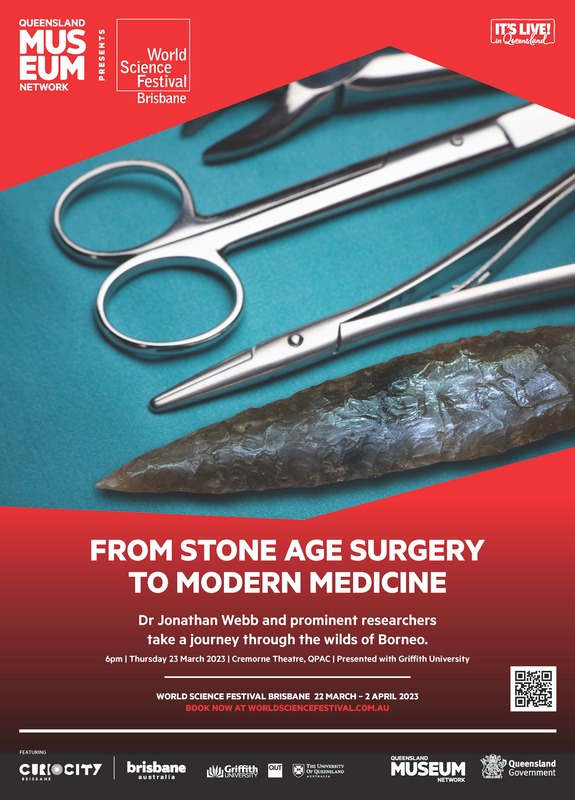
World Science Festival Brisbane March 22, 2023 (SoLD OUT)

3/26/2023

0 Comments

 
Picture
Picture
Picture
0 Comments

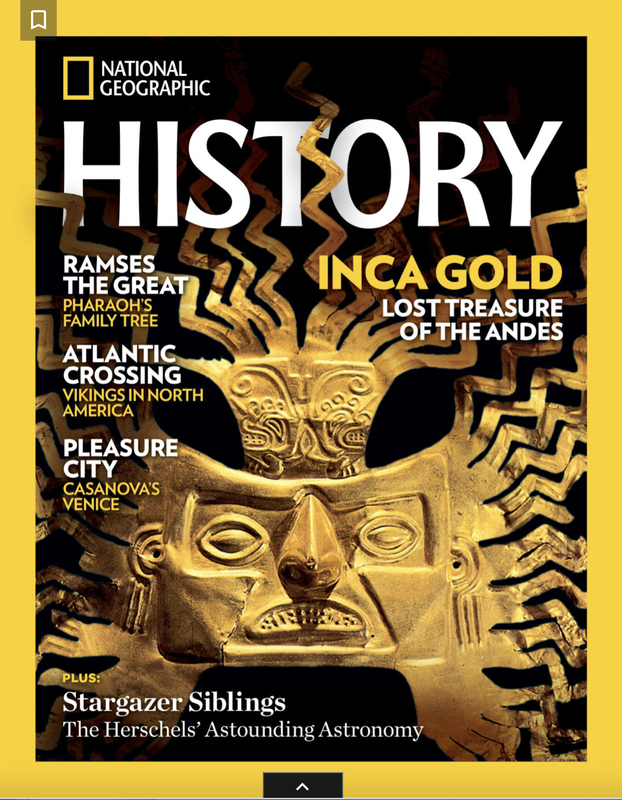
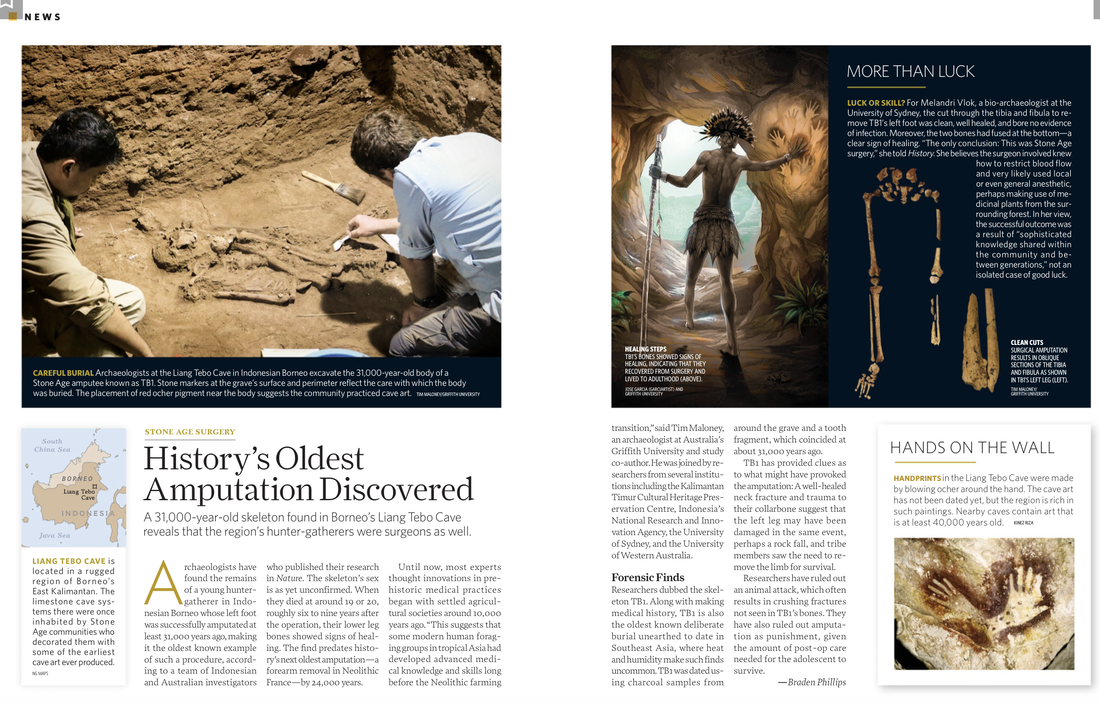
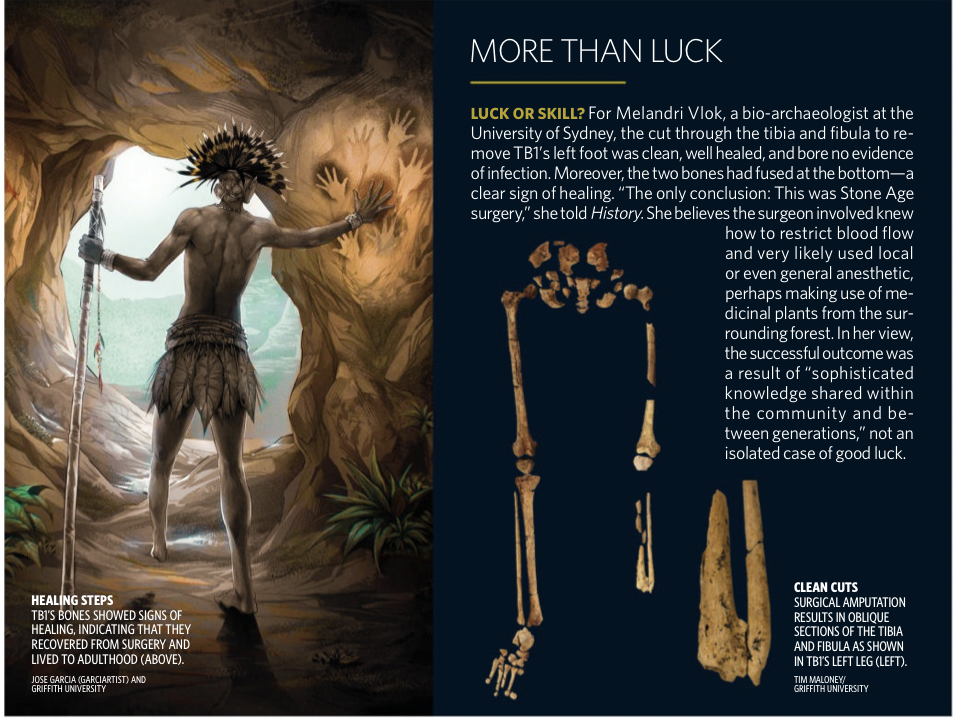
National Geographic History magazine Jan/Feb 2023

1/16/2023

0 Comments

 
Picture
Picture
Picture
0 Comments

BBC One interview: oldest surgical amputation in the world

9/27/2022

0 Comments

 
0 Comments
<<Previous

    Author

    Melandri Vlok is a bioarchaeologist and National Geographic Explorer. She specialises in ancient diseases in prehistoric skeletons.

    Archives

    January 2026
    January 2025
    April 2024
    July 2023
    May 2023
    March 2023
    January 2023
    September 2022
    June 2022
    May 2022

    Categories

    All

    RSS Feed

Powered by Create your own unique website with customizable templates.
  • Home
  • About
  • Bioarchaeology in Australia
  • Services
  • Media
  • Contact